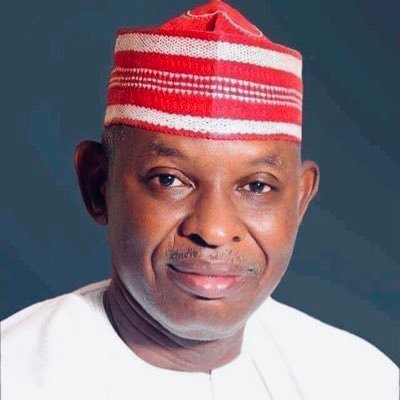
Governor Yusuf has officially resigned from the New Nigeria People’s Party (NNPP), signaling a major shift in Kano State’s political landscape as he prepares to join the All Progressives Congress (APC). His resignation, which comes after months of speculation about his political future, has been accompanied by a significant exodus of party members who have chosen to follow him. Among those leaving with him are 21 members of the State Assembly, eight members of the House of Representatives, and all 44 Local Government Chairmen across Kano State, reflecting the broad support he commands within the region.
In a formal letter addressed to the Chairman of the Diso-Chiranchi Ward of the NNPP in Gwale Local Government Area, Yusuf announced that his resignation would take effect from Friday, January 23, 2026. “With a deep sense of gratitude and respect, I formally notify the leadership of the New Nigeria People’s Party of my decision to resign my membership, effective Friday, 23rd January 2026,” he stated. The letter also expressed his appreciation for the platform the party provided, which enabled him to pursue and advance his political career since 2022. He thanked the leadership and members of the NNPP across Kano State for their unwavering support during his tenure.
The governor’s move to the APC is not limited to himself. Most of his commissioners have chosen to join him, along with Kano State’s NNPP federal and state lawmakers. In addition, all 44 elected local government chairpersons, their deputies, and ward executives have defected to the APC, marking a significant consolidation of political influence under Yusuf’s leadership. This mass realignment is likely to have a major impact on the state’s political dynamics and the party’s organizational strength in the coming months.
Despite the sweeping defections, Deputy Governor Aminu Abdulsalam has opted to remain in the NNPP, reaffirming his loyalty to the party’s leader, Rabiu Kwankwaso. Abdulsalam’s decision to stay behind underscores the fact that while Yusuf’s move is significant, the NNPP still retains key figures within the state’s political structure.
Governor Yusuf explained that his decision to resign and defect to the APC was the result of careful consideration and reflection. He emphasized that his choice was guided by what he described as the broader interests of Kano State and its people. “After careful reflection, and without prejudice to the party’s capacity to address its internal challenges, I have come to the conclusion that my resignation is in the best interest of the people of Kano State,” he said. He further noted that while his resignation was a personal decision, it was made with the overarching goal of ensuring effective governance and political stability in the state.
Political analysts suggest that Yusuf’s defection, along with the mass movement of lawmakers and local government officials, is likely to strengthen the APC’s position in Kano State significantly. The move may also influence upcoming elections, as the governor’s political base and the support of key local government leaders are expected to provide the APC with a decisive advantage.
This development marks a pivotal moment in Kano State politics, as Yusuf’s departure from the NNPP and the consolidation of power within the APC may reshape political alliances and strategic calculations in the region for years to come. While the NNPP remains active in the state, the party will need to navigate these changes carefully to maintain its relevance and support among its remaining members.