British Prime Minister Sir Keir Starmer has publicly called on U.S. President Donald Trump to issue a formal apology following remarks in which the former president claimed that NATO forces, aside from American troops, did not operate on the front lines during the war in Afghanistan. The comments have generated widespread concern and condemnation across the United Kingdom, particularly among military families and veterans’ organisations.
President Trump made the statement during an interview with Fox News in Davos, Switzerland, on Thursday, where he questioned the reliability of NATO allies. In the interview, he remarked, “We’ve never needed them, we have never really asked anything of them. You know, they’ll say they sent some troops to Afghanistan, or this or that, and they did, they stayed a little back, a little off the front lines.” These comments have been interpreted by many as dismissive of the significant contributions and sacrifices made by allied forces throughout the two-decade-long conflict.
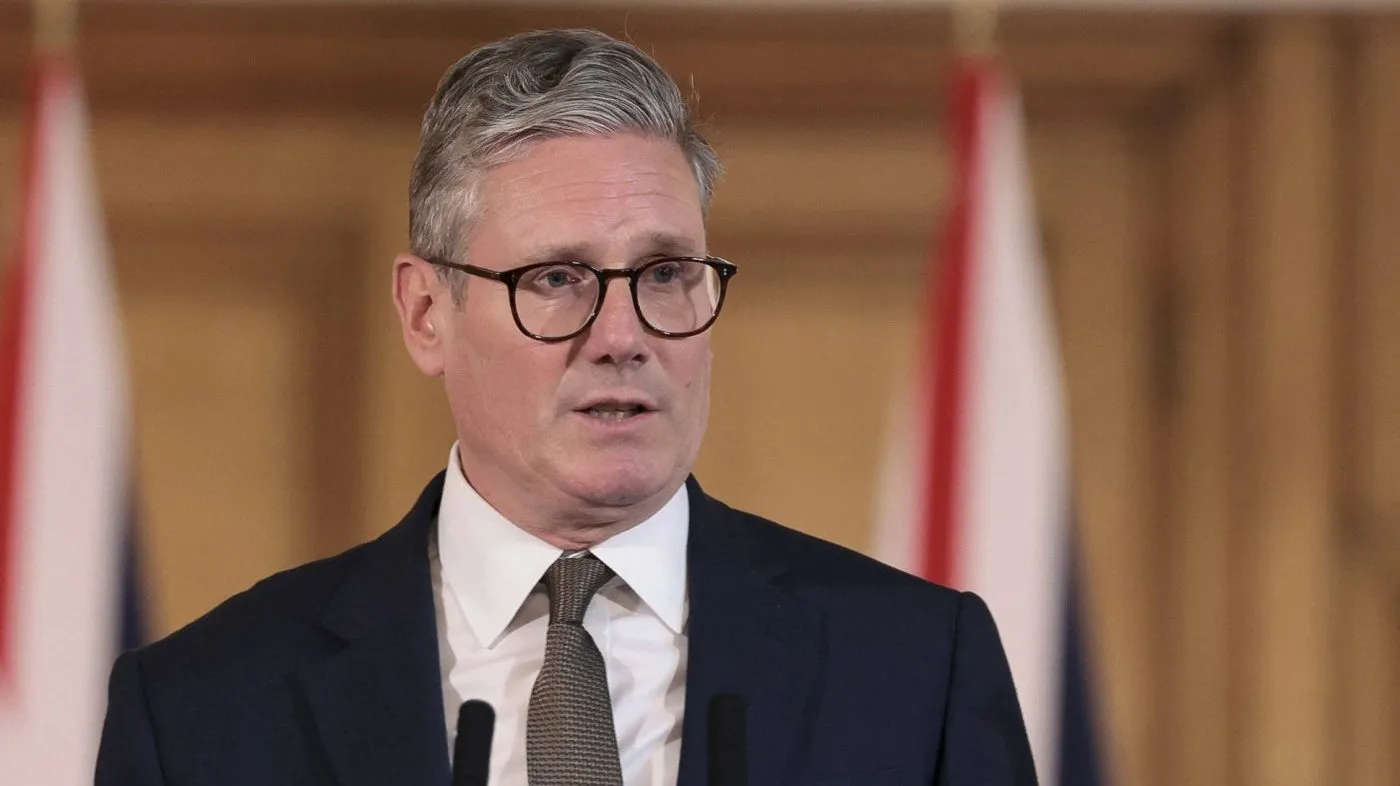
Addressing reporters in London, Prime Minister Starmer emphasised the personal and national impact of such statements. “I consider President Trump’s remarks to be both insulting and, frankly, appalling,” he stated. “It is not surprising that they have caused such distress to the families and loved ones of those who served, and, in many cases, made the ultimate sacrifice. Our service personnel fought courageously, often in extremely difficult conditions, and it is deeply hurtful to see their efforts trivialised in this way.”
The United Kingdom played a substantial role in the Afghan conflict following the 2001 invasion, committing more than 150,000 personnel over the course of the campaign — the second-largest national contingent after the United States. British forces were heavily involved in a range of military operations, particularly in Helmand Province, where they confronted insurgent forces in some of the most intense combat zones. British troops were responsible for providing security, conducting counter-insurgency operations, and supporting the development of local governance structures. The withdrawal of British forces in 2014 marked the end of large-scale UK operations, though training and support roles continued until the final U.S. withdrawal in 2021, after which the Taliban regained control of the country.
Ben Obese-Jecty, a Member of Parliament and former captain in the Royal Yorkshire Regiment who served in Afghanistan, criticised President Trump’s remarks as a gross misrepresentation of the facts. “It is sad to see our nation’s sacrifice, and that of our NATO partners, treated with such disregard by the President of the United States,” he said. “These were not minor contributions; they were committed, dangerous deployments that cost lives and caused enduring hardships for both personnel and their families.”
The controversy has been further inflamed by President Trump’s own military record. Although eligible to serve in the Vietnam War, he did not enlist, receiving a medical deferment on account of bone spurs. His inability to recall which foot was affected has led to repeated allegations that he intentionally avoided service. Stephen Stewart, author of The Accidental Soldier, commented, “It is profoundly ironic that someone who allegedly dodged military service during the Vietnam War would make such a disparaging statement about the commitment of allied forces in Afghanistan.”
The remarks also stand in stark contrast to longstanding British-American military cooperation. Following the September 11, 2001 attacks, then–Prime Minister Tony Blair pledged that the United Kingdom would “stand shoulder to shoulder” with the United States in responding to the threat posed by al-Qaida. British forces subsequently played a critical role in the conflict, not only in combat operations but also in efforts to stabilise and rebuild regions affected by violence. This enduring partnership reflected shared strategic objectives, mutual security concerns, and decades of historical alliance.
In addition to operational contributions, British troops endured substantial casualties. More than 450 service members lost their lives in Afghanistan, with thousands more injured, often suffering long-term physical and psychological effects. Families of these service members have voiced deep concern and outrage over President Trump’s remarks, arguing that they diminish the sacrifices made by both British and allied forces in the theatre of war.
Analysts note that the timing of Trump’s comments is particularly sensitive, coming amid renewed discussions of NATO’s role and the responsibilities of member states in international security. The remarks have sparked debate in political circles about the importance of accurate representation of military service and the need for respect toward allies’ contributions in multinational operations.
In summary, Prime Minister Starmer’s call for an apology reflects both the gravity of President Trump’s statements and the broader effort to uphold the dignity and recognition of those who served in Afghanistan. The comments have reignited public attention on the UK’s commitment to international security, the shared sacrifices of NATO allies, and the enduring need for accountability and respect in discussions about military engagement.